


Porcelain · Design · Since 1879
Rosenthal
Discover porcelain shaped by artistic imagination: from the quiet geometry of TAC to sculptural vases and richly decorated dinner services.
Shop Rosenthal by category
Explore Rosenthal
Dinnerware
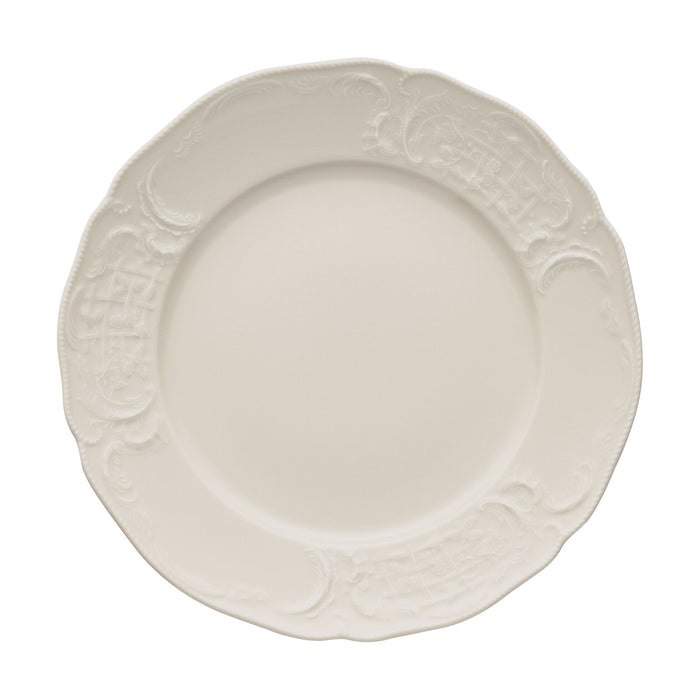








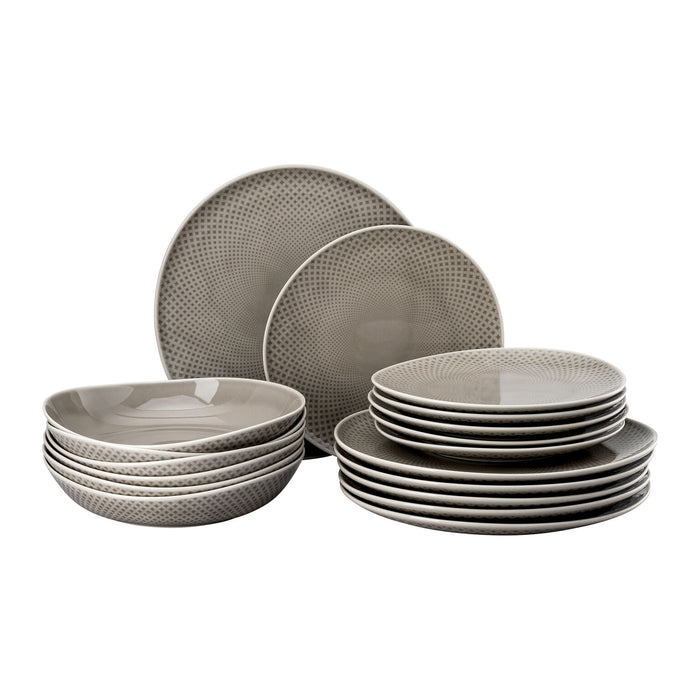


Designer Collections


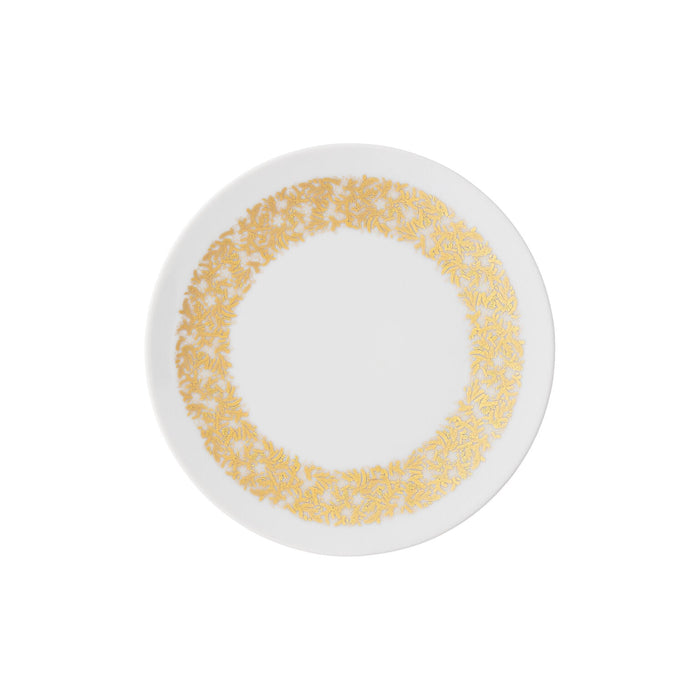
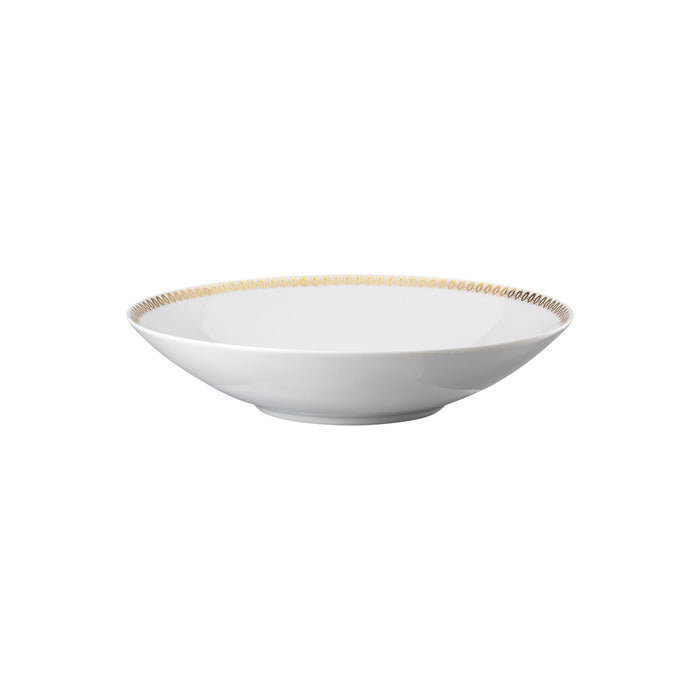


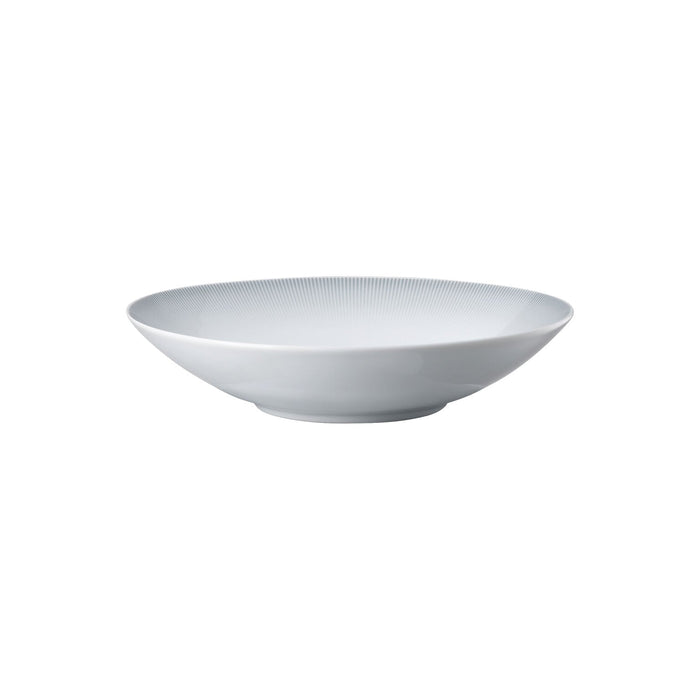

Giftware


Vases & Decorative Objects




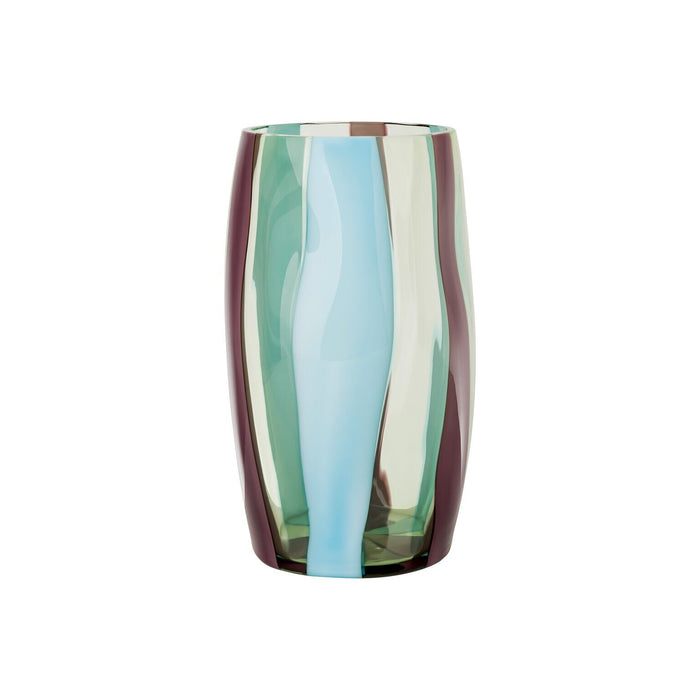


Glassware & Crystal


01 · Selb, Bavaria · Rosenthal since 1879
Where Imagination Meets Porcelain
Rosenthal began in 1879 with Philipp Rosenthal’s porcelain-painting workshop at Erkersreuth Castle near Selb. In 1891, he moved into manufacturing his own porcelain, laying the foundations for a name that would become closely associated with German table culture.
That heritage took a modern turn when Walter Gropius and The Architects Collaborative designed the Rosenthal am Rothbühl factory. Opened in 1967, its striking entrance canopy and carefully considered working spaces brought architecture, people and porcelain production into one vision.
It is a fitting introduction to Rosenthal: a meeting of skilled making and a willingness to imagine something new.

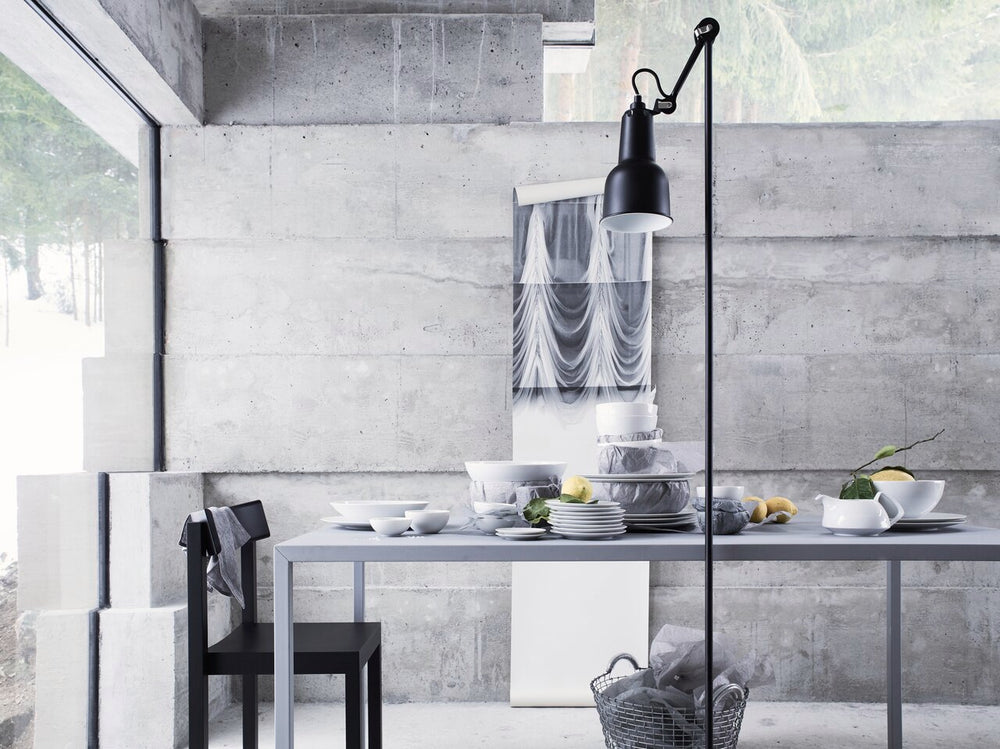
02 · Walter Gropius · TAC, introduced 1969
Architecture at the table
Walter Gropius founded the Bauhaus in 1919, bringing art, craftsmanship and technology into a shared vision of modern design. His collaboration with Philip Rosenthal began in 1963 with plans for the Rothbühl porcelain factory in Selb.
The partnership also produced the TAC tea service, introduced in 1969 and named for The Architects Collaborative. Its geometric forms and considered handling give porcelain an architectural clarity. Gropius’s contribution remains central to Rosenthal’s design heritage, linking the practical rituals of tea with a lasting belief that useful objects can be beautifully resolved.
Explore TAC Gropius White
03 · The art of clarity · TAC glassware
A Lighter Expression of TAC
The architectural character of TAC continues beyond porcelain. Rosenthal’s TAC crystal glassware is designed to sit alongside the celebrated Gropius service, bringing slender stems and gently tapering bowls to the table.
Here, shape has a practical purpose as well as a visual one: the proportions of each glass give wine space to open and make it comfortable to hold. With white porcelain, the effect is calm and coherent; beside decorated dinnerware, the clear glass provides a quiet counterpoint.

04 · Bjørn Wiinblad · Magic Flute Sarastro
Magic Flute Sarastro · An Opera in Gold
Inspired by Mozart’s The Magic Flute, Bjørn Wiinblad transformed the opera’s theatrical characters and scenes into richly sculpted porcelain. In Magic Flute Sarastro, the story unfolds across intricate relief decoration, elevated by luminous gold accents.
Explore the artistry of the Sarastro tea and dinner service, where every detail rewards a closer look. For a quieter interpretation of the same design, discover Magic Flute White.
 Matching & Sourcing
 Bespoke Tableware
 Pattern Registration
 The Pattern Archive